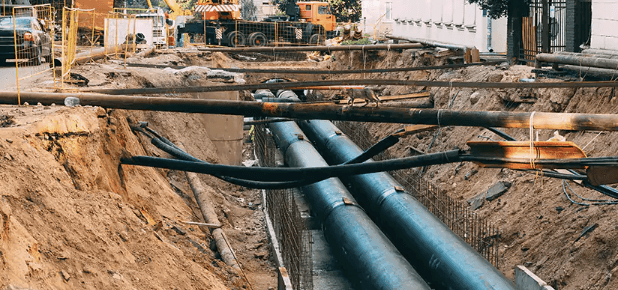
Underground pipe repair requires a structured assessment of indicators such as flow anomalies, pressure drops, and corrosion signs. A controlled shutoff, proper PPE, and scene isolation establish safety before any work begins. Determine whether the issue warrants DIY attention or professional intervention based on material type, access, leakage, and soil conditions. Comprehensive planning, documentation, and preventive measures follow, with careful backfill and drainage considerations. The next steps hinge on identifying practical, site-specific constraints that shape the repair approach.
How to Identify Underground Pipe Issues
Underground pipe issues can be identified by assessing system performance, visual indicators, and diagnostic measurements. The analysis focuses on identifying pipe age and detecting leak signatures through standardized methods, traceable data, and comparative benchmarks.
Precise evaluation records material condition, corrosion indicators, and flow anomalies.
Conclusions guide proactive maintenance, enabling informed decisions about rehabilitation timing and priority based on measurable integrity.
Safety First: Shutoff, PPE, and Immediate Steps
The assessment of underground pipe systems proceeds to safety-critical procedures, beginning with a controlled shutoff, appropriate personal protective equipment, and immediate corrective steps.
Practitioners execute documented shutoff procedures, minimize exposure, and verify isolation before any intervention.
PPE importance is emphasized to reduce risk, while alarms, ventilation, and scene control maintain disciplined risk management.
Precise sequencing ensures responders protect themselves and the system.
DIY Fixes and When to Call a Pro
When considering repairs, a structured assessment determines whether a DIY approach is feasible or if professional intervention is required. The analysis weighs pipe material, access, leakage rate, and soil conditions, then prescribes appropriate actions. DIY fixes may address minor, isolated faults; otherwise, call a pro.
Attentive, unrelated topic, off topic discussion, should be avoided to preserve focus and safety.
See also: The Rise of Autonomous Decision Engines
Preventing Future Breaks and Maintenance Habits
Preventing future breaks hinges on systematic maintenance practices established after evaluating recent repairs. The approach emphasizes documenting corrosion indicators, leak history, and response times, then implementing scheduled inspections and test protocols.
Identifying pipe materials clarifies vulnerabilities, while material-specific remediation reduces risk.
Environmental impact prevention is integrated through proper backfill, erosion control, and drainage adjustments, paired with durable joint, coating, and sealing methods.
Conclusion
This structured assessment concludes that underground pipe repair hinges on accurate issue identification, strict safety protocols, and appropriate scope decisions. By distinguishing DIY-friendly scenarios from professional-required repairs, crews minimize risk while ensuring durable results. Documentation of corrosion data, backfill quality, and environmental considerations informs ongoing maintenance plans. Execute repairs with methodical sequencing: isolate, repair, backfill, and restore drainage. In the end, plan ahead to avoid repeats, and tread carefully—no cutting corners. It’s a raincheck before a downpour.